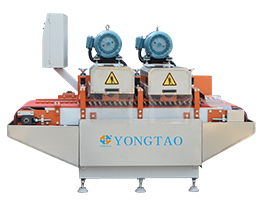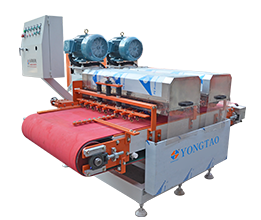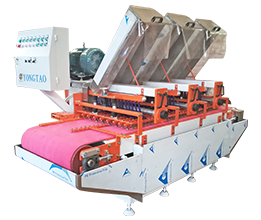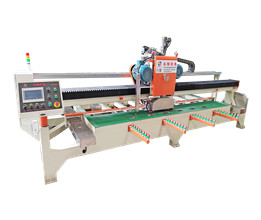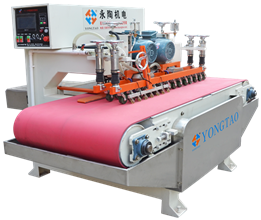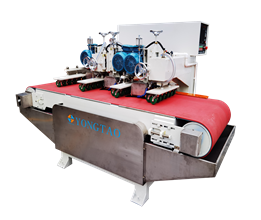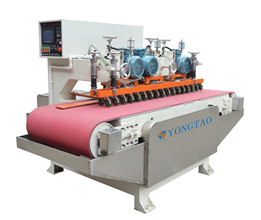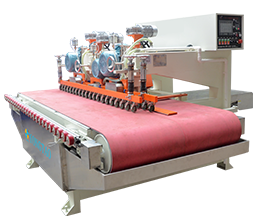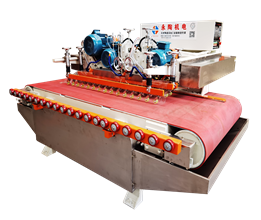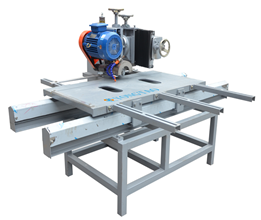
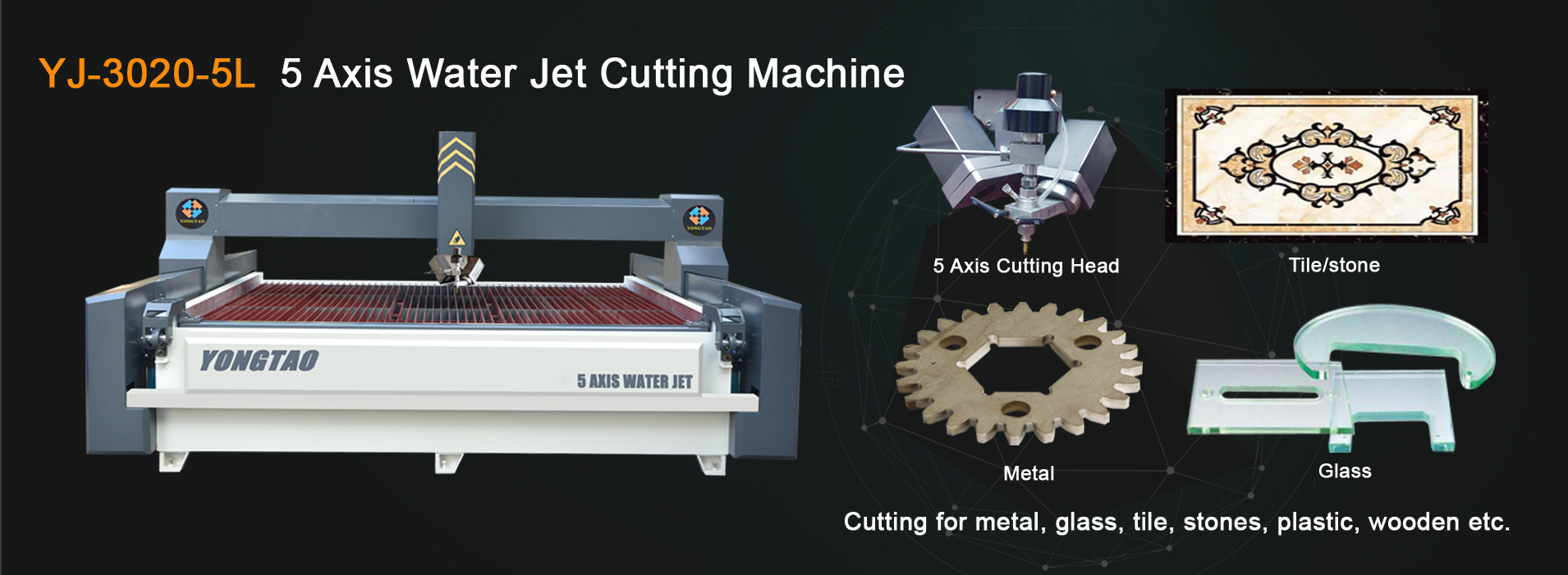
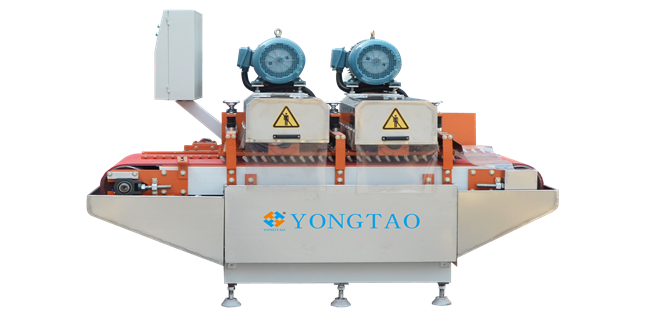
Yongtao manufactures industrial ceramic tile cutting machines for ceramic tiles, porcelain tiles, glazed tiles, tile strips, skirting boards and large-format slabs. Available solutions include two-spindle and three-spindle multi-blade cutters, CNC tile cutting machines, automatic wet tile cutters, double-blade large-format saws and multifunctional tile processing machines.
Each machine is selected according to the original tile size, finished cutting dimensions, material hardness, edge-quality requirements and expected production capacity. Yongtao can also perform cutting tests with customer-provided materials before confirming the final machine configuration.
A ceramic tile cutting machine is industrial equipment used to cut ceramic and porcelain tiles into specified sizes, strips, skirting boards or customized components. Depending on the application, it may use one blade, multiple diamond blades, two-stage cutting, water cooling, automatic feeding or CNC-controlled positioning.
Multi-blade machines are suitable for producing tile strips in batches. CNC models provide flexible size adjustment, while double-blade machines can separate surface grooving from final cutting to reduce edge chipping on hard glazed tiles, porcelain slabs and sintered stone.
For industrial production, the correct machine should be selected according to the original tile size, finished dimensions, material thickness, required output and acceptable edge quality.
Industrial tile cutting machines can be classified by blade configuration, spindle quantity, feeding method, processing size and automation level. The correct configuration depends on whether the factory produces tile strips, skirting boards, standard-size tiles, customized pieces or large-format slabs.
A multi-blade tile cutting machine uses several diamond blades to cut multiple tile strips during one feeding cycle. It is commonly used for producing skirting boards, decorative strips and standardized ceramic or porcelain components.
Blade positions and spacers can be arranged according to the required finished widths. Compared with cutting one strip at a time, multi-blade processing improves batch output and helps maintain consistent dimensions across repeated pieces.
A two-spindle wet tile cutting machine is designed for continuous strip production. Multiple blades can be installed on each spindle, allowing the tile to pass through staged cutting positions.
This configuration is suitable for factories producing tile strips and skirting boards in regular sizes. The wet cutting system cools the blades, removes cutting debris and helps maintain stable cutting conditions during continuous operation.
A three-spindle ceramic tile cutting machine provides an additional cutting position for higher-output production, multi-stage processing or more flexible blade arrangements.
Each cutting head can be adjusted according to the required finished dimensions. This configuration is suitable for medium-to-large tile processing factories that need to divide ceramic or porcelain tiles into several finished pieces with consistent widths.
A CNC tile cutting machine uses programmable positioning to control cutting dimensions and repeated production settings. It is suitable for factories that process multiple sizes or need efficient adjustment between different orders.
Depending on the selected model, CNC control can be combined with two-blade or three-blade cutting, continuous feeding and wet cutting. CNC positioning reduces repeated manual measurement, but blade condition, material support and feeding stability still affect the finished result.
A double-blade large-format tile cutting machine is designed for porcelain tiles, ceramic slabs and sintered stone. One grooving disc or blade first opens the hard surface layer, and the second blade completes the cut.
Separating surface opening from final cutting can reduce edge chipping on brittle or hard-glazed materials. A stable machine frame, suitable material support and controlled feeding are especially important when processing large-format slabs.
A manual multifunctional tile cutting machine is suitable for small workshops, customized orders and lower-volume production. Depending on its configuration, one machine may perform cutting, grooving, edging, chamfering or bullnose processing.
This type of equipment provides processing flexibility for users who do not require a continuous automatic production line.
Yongtao offers different tile cutting machine series for strip production, CNC sizing, large-format slab cutting and multifunctional processing. The following comparison provides a practical starting point for machine selection.
| Machine Series | Configuration and Suitable Materials |
|---|---|
| YTQZ-B/2 Series | Two-spindle multi-blade wet cutting for ceramic and porcelain tiles |
| YTQZ-B/3 Series | Three-spindle wet cutting for ceramic and porcelain tiles |
| YTQZ-A/2 Series | Two-blade CNC cutting for glazed ceramic and porcelain tiles |
| YTQZ-A/3 Series | Three-blade CNC cutting for ceramic and large porcelain tiles |
| YTQZ-3200-2 | Double-blade cutting for ceramic slabs, porcelain tiles and sintered stone |
| YTQS Series | Manual multifunctional processing for ceramic tiles and similar materials |
| Machine Series | Main Application and Recommended Use |
|---|---|
| YTQZ-B/2 Series | Produces multiple tile strips and skirting boards in one feeding cycle. Recommended for continuous batch-production factories. |
| YTQZ-B/3 Series | Supports multi-stage strip cutting with an additional cutting position. Recommended for medium-to-large tile factories. |
| YTQZ-A/2 Series | Provides controlled sizing and repeated two-stage cutting. Recommended for factories requiring flexible size adjustment. |
| YTQZ-A/3 Series | Supports multi-stage, higher-output and continuous processing. Recommended for high-output production lines. |
| YTQZ-3200-2 | Uses surface grooving and final cutting to help control chipping. Recommended for large-format tile and slab processors. |
| YTQS Series | Supports cutting, grooving, edging and chamfering on one machine. Recommended for small workshops and customized production. |
Model names alone are not sufficient for final selection. Buyers should confirm the maximum material size, tile thickness, finished cutting width, blade quantity, motor configuration, feeding method and required daily output before ordering.
The best tile cutting machine for professional use depends on the material size, finished product, edge-quality requirement and daily output. There is no single machine configuration that is best for every ceramic or porcelain processing factory.
For continuous production of tile strips and skirting boards, a two-spindle or three-spindle multi-blade wet cutting machine is usually the most efficient option. Multiple blades can produce several finished strips during one feeding cycle.
For factories that frequently change cutting dimensions, a CNC tile cutting machine provides more flexible positioning and better repeatability. For large porcelain tiles and sintered stone, a double-blade large-format machine can separate surface grooving from final cutting to help control edge chipping.
Professional buyers should compare the machine’s processing size, spindle and blade configuration, feeding method, cooling system, practical output, factory testing and after-sales support before selecting a model.
For producing tile strips and skirting boards in regular widths, a two-spindle or three-spindle multi-blade tile cutting machine is generally recommended. Several blades can be arranged according to the required cutting layout, allowing multiple finished strips to be produced during one feeding cycle.
The blade quantity, blade spacing, kerf allowance and finished strip width should be calculated according to the original tile dimensions.
Large-capacity tile cutting machines are designed for factories processing large porcelain tiles, ceramic slabs and sintered stone. The required capacity should be evaluated by maximum cutting length, processing width, material thickness, supporting structure and feeding stability.
Yongtao’s YTQZ-3200-2 double-blade tile cutting saw can process materials up to 3200 × 1600 mm. The first grooving disc opens the hard surface layer, and the second diamond blade completes the cut, helping reduce edge chipping on large and brittle materials.
Buyers should provide the exact slab dimensions, thickness, finished cutting size and required output before selecting a large-capacity model. A cutting test with the actual material is recommended when finished-edge quality is important.
For workshops that frequently change finished dimensions, a CNC tile cutting machine provides more flexible positioning than a fixed multi-blade arrangement. Programmed settings can reduce repeated manual measurement when producing recurring sizes.
A cutting test is still recommended because different glazes, tile bodies and porcelain densities may require different blades and feeding speeds.
For small batches and varied processing tasks, a multifunctional tile cutter may be more practical than a continuous production machine. Depending on its configuration, it can support cutting, grooving, edging, chamfering and other common workshop operations.
For continuous factory production, equipment selection should consider more than cutting speed. Buyers should evaluate feeding efficiency, blade adjustment time, cooling-water delivery, finished-piece collection, operator requirements and maintenance access.
The complete workflow should match the expected output of each shift rather than relying only on the machine’s theoretical speed.
The best ceramic tile cutting machine is the model that matches the material, finished product and production target. A machine with more blades or a higher automation level is not automatically the best choice for every factory.
Provide the original tile length, width and thickness. The machine’s processing width and supporting structure must be suitable for the uncut material, not only for the finished product.
Provide the required finished widths, lengths and number of pieces expected from each tile. For multi-blade cutting, blade positions must be calculated together with kerf width and cutting allowance.
Ceramic tiles, porcelain tiles, glazed tiles and sintered stone have different hardness, density and surface characteristics. These differences affect blade selection, feeding speed, motor requirements and the risk of edge chipping.
Estimate the required hourly or daily output. Batch strip production may benefit from a multi-blade configuration, while customized production may require CNC adjustment and greater size flexibility.
If the finished edge will remain visible or enter a later polishing process, provide the acceptable chipping level and dimensional tolerance. Hard-glazed tiles may require pre-grooving, two-stage cutting or a slower test speed.
Consider material loading, feeding, cutting, unloading and finished-piece collection. Automatic positioning alone does not create a complete automatic line if the surrounding handling processes still depend heavily on manual work.
A test using the customer’s actual material is one of the most reliable ways to confirm blade suitability, cutting stability, edge quality and practical production speed before ordering.
Edge chipping is affected by the complete cutting process, not by one machine specification alone. Tile hardness, glaze quality, blade condition, spindle stability, cooling-water flow, feeding speed and material support all influence the finished edge.
A stable industrial cutting process should include the following controls:
⊙ Select a diamond blade suitable for ceramic, porcelain or sintered stone.
⊙ Keep the spindle stable and inspect blade runout regularly.
⊙ Direct sufficient cooling water to both sides of the active cutting area.
⊙ Match the feeding speed to material hardness, thickness and blade condition.
⊙ Support large tiles properly to prevent vibration and movement.
⊙ Replace worn or damaged blades before cutting quality becomes unstable.
⊙ Use pre-grooving or two-stage cutting for materials that chip easily.
⊙ Check the first finished piece before continuing batch production.
⊙ Record successful blade, speed and cooling settings for repeated orders.
For hard-glazed porcelain tiles and large-format slabs, a double-blade process can be especially useful. The first blade or grooving disc opens the surface layer, while the second blade completes the cut through the material.
This method does not guarantee a completely chip-free edge for every material. Cutting results should be confirmed using the customer’s actual tile.
Industrial wet tile cutting machines supply water to the cutting area to cool diamond blades, remove cutting particles and control airborne dust. Consistent cooling helps prevent excessive blade temperature during continuous production.
The water must reach the active cutting zone rather than only wetting the tile surface. Insufficient or uneven water flow can increase blade wear, heat buildup and edge chipping.
Factories should inspect water pumps, pipes, nozzles and settling tanks regularly. If recycled water is used, ceramic particles should be removed before the water returns to the cutting area.
Wet cutting improves operating conditions, but final edge quality still depends on blade selection, machine stability, feeding speed and material characteristics.
A correctly configured industrial tile cutter machine can provide the following production benefits:
⊙ Consistent finished dimensions during batch processing
⊙ Higher output when producing tile strips and skirting boards
⊙ Reduced repeated measurement and manual adjustment
⊙ Better control of feeding speed and cutting stability
⊙ Lower material waste caused by inaccurate cutting
⊙ Improved blade cooling and dust control through wet cutting
⊙ Flexible configurations for different tile sizes and finished products
⊙ Easier connection with edging, chamfering and polishing processes
Actual production results depend on the material, blade arrangement, machine configuration, operator setup and maintenance condition.
Yongtao Machinery is a ceramic, sintered stone and stone processing equipment manufacturer located in Foshan, Guangdong, China. Established in 2010, Yongtao operates a manufacturing facility of more than 10,000 square meters.
The company manufactures two-spindle and three-spindle multi-blade cutters, CNC tile cutting machines, large-format double-blade saws, multifunctional tile processing machines and related edging, chamfering and polishing equipment.
Yongtao supports customers through the following process:
⊙ Application and material requirement review
⊙ Machine configuration and cutting-layout planning
⊙ Equipment manufacturing and assembly
⊙ Electrical, spindle, feeding and cooling-system inspection
⊙ Cutting tests using customer-provided materials when required
⊙ Pre-delivery operation and cutting-effect verification
⊙ Installation and commissioning guidance
⊙ Operator training and maintenance instructions
⊙ Spare-parts and after-sales technical support
Customers can send tile samples, finished-product drawings, original material dimensions and expected production capacity. Yongtao can then compare suitable configurations and prepare a technical proposal based on the actual application.
Before delivery, a ceramic tile cutting machine should be inspected under operating conditions. Factory testing helps verify that the mechanical structure, spindle system, feeding mechanism, cooling-water delivery and electrical controls work together correctly.
A pre-delivery inspection may include:
⊙ Confirming the ordered machine model and configuration
⊙ Checking spindle rotation and cutting-head adjustment
⊙ Inspecting blade installation and protective components
⊙ Testing conveyor or material-feeding stability
⊙ Confirming cooling-water delivery to the cutting area
⊙ Testing control functions and emergency stops
⊙ Performing trial cutting when suitable material is available
⊙ Measuring finished dimensions and inspecting edge quality
When possible, test cutting should use the customer’s actual material. Results obtained from one tile type should not automatically be applied to every ceramic, porcelain or sintered stone product.
To recommend a suitable tile cutting machine and prepare an accurate quotation, buyers should provide:
⊙ Original tile length and width
⊙ Tile thickness
⊙ Material type and surface finish
⊙ Required finished dimensions
⊙ Number of strips or pieces required from each tile
⊙ Expected hourly or daily output
⊙ Acceptable edge-chipping level
⊙ Required automation level
⊙ Factory voltage and frequency
⊙ Destination country and delivery requirements
This information allows the manufacturer to compare the correct processing width, spindle quantity, blade arrangement, motor configuration and feeding method.
A ceramic tile cutting machine is used to cut ceramic tiles, porcelain tiles, glazed tiles and similar brittle materials into specified sizes, strips, skirting boards or customized components. Industrial models may use multiple diamond blades, wet cutting, automatic feeding or CNC positioning.
A multi-blade tile cutting machine is generally recommended for producing ceramic tile strips. Multiple blades can be arranged according to the required finished widths, allowing several strips to be produced during one feeding cycle. Two-spindle or three-spindle configurations can be selected according to the original tile size and required output.
A two-spindle machine is suitable for regular strip cutting and continuous production with a relatively simple configuration. A three-spindle machine provides an additional cutting position for higher output, multi-stage processing or more flexible blade arrangements. The correct choice depends on tile size, finished dimensions and production capacity.
A CNC tile cutting machine uses programmable positioning to improve size adjustment and repeatability. A manual tile cutter depends more heavily on operator setup and is generally suitable for smaller batches, simpler processing or workshops that require several functions from one machine.
The best ceramic tile cutter for porcelain tiles depends on the tile size, surface hardness, finished dimensions and required output. Multi-blade wet cutters are suitable for producing porcelain strips in batches, while CNC models provide flexible size adjustment. For large or hard-glazed porcelain tiles, a double-blade machine can first open the surface layer and then complete the cut to help control edge chipping. A material cutting test is recommended before confirming the final configuration.
Yes. Large-format porcelain tiles and sintered stone can be processed using a machine with sufficient cutting width, stable material support and an appropriate blade configuration. Buyers should provide the exact slab dimensions, thickness and required finished sizes before selecting a model.
The first blade or grooving disc opens the hard surface layer, and the second blade completes the cut through the material. Dividing the process into two stages can reduce sudden stress at the glazed surface and improve edge control on hard porcelain tiles and sintered stone.
Professional wet tile saw options include multi-blade wet cutters for tile strips, CNC wet cutting machines for adjustable sizes, double-blade saws for large porcelain tiles and multifunctional models for smaller workshops. Water cooling helps control blade temperature, remove cutting particles and reduce dust during production. Buyers should select a machine according to tile size, finished dimensions, daily output and edge-quality requirements.
The blade arrangement should be calculated from the original tile width, required finished strip widths, blade thickness, kerf width and cutting allowance. Buyers should provide a cutting layout or finished-product drawing so the manufacturer can recommend the correct blade quantity and spacer arrangement.
Ceramic tile cutting machine prices depend on the maximum processing width, spindle and blade quantity, motor configuration, feeding system, CNC functions, automation level and optional equipment. Freight, installation requirements and destination-country electrical standards can also affect the total project cost.
Buyers should confirm the machine’s processing size, blade and spindle configuration, suitable materials, practical output, cooling system, electrical standard, testing procedure, installation support, operator training and spare-parts availability. A cutting test with the actual tile is recommended when edge quality is important.
Industrial ceramic and porcelain tile cutting machines should be purchased from a manufacturer that can verify processing capacity, recommend the correct blade configuration, perform material cutting tests and provide installation, training and spare-parts support. Yongtao manufactures tile cutting machines in Foshan, China, including multi-blade, CNC, wet cutting and large-format models. Buyers can submit tile dimensions, finished-product requirements and expected output to receive a suitable configuration and quotation.
YTQZ-B/2-800 Double-Spindle Multi-Blade Tile Strip Cutting Machine
The YTQZ-B/2-800 is an 800mm double-spindle multi-blade tile strip cutting machine designed for producing consistent ceramic strips and skirting pieces. Precisely arranged blades allow several finished widths to be cut in one feeding cycle. It supports continuous batch processing of ceramic tile, sintered stone, quartz and paving stone with stable wet cutting performance.
YTQZ-B/2-1000 Two Spindle Automatic Wet Tile Cutter
The YTQZ-B/2-1000 is a two-spindle automatic wet tile cutter designed for continuous production of ceramic and porcelain tile strips. Multiple diamond blades can be arranged according to the required cutting widths. Its wet cutting and continuous feeding systems help maintain stable blade cooling, consistent dimensions and efficient batch production.
YTQZ-B/3-800 Three Spindle Wet Ceramic Tile Cutter
The YTQZ-B/3-800 is a three-spindle wet ceramic tile cutter developed for multi-stage strip cutting and continuous production. Each cutting position can be adjusted according to the required finished dimensions. The machine is suitable for producing ceramic tile strips, porcelain strips and skirting boards with stable batch output.
YTQZ-3200-2 Double Saw Blade Tile Cutting Saw
The YTQZ-3200-2 is a double-blade tile cutting saw designed for ceramic tiles, porcelain slabs and sintered stone up to 3200 × 1600 mm. The first grooving disc opens the hard surface layer, and the second diamond blade completes the cut. This two-stage cutting method helps reduce edge chipping on large and brittle materials.
YTQZ-A/2-1200 Two Blade CNC Tile Cutting Machine
The YTQZ-A/2-1200 is a newly developed two-blade CNC tile cutting machine for ceramic and porcelain tile processing. The first blade performs the initial cutting stage, and the second blade completes the cut. CNC-controlled positioning and staged cutting help improve dimensional consistency, cutting efficiency and finished-edge quality.
YTQZ-A/3-800 Three Blade Ceramic Cutting Machine
The YTQZ-A/3-800 is a three-blade ceramic tile cutting machine equipped with three independently adjustable cutting heads. Each cutting position can be adjusted according to the required finished widths. The machine supports multi-stage cutting and is suitable for factories producing ceramic or porcelain components in batches.
YTQZ-A/3-1200 Three Blade CNC Ceramic Tile Cutter Machine
The YTQZ-A/3-1200 is a three-blade CNC ceramic tile cutting machine designed for continuous and repeatable tile processing. Its three cutting positions support staged cutting, while CNC-controlled adjustment helps maintain consistent finished dimensions. The machine is suitable for ceramic and porcelain tile factories requiring stable batch production.
YTQZ-A/3-1800 3 Blade CNC Ceramic Porcelain Tile Cutting Machine
The YTQZ-A/3-1800 is a three-blade CNC cutting machine designed for large-format ceramic and porcelain tiles. It supports continuous processing and flexible cutting-size adjustment for different production requirements. The three-blade configuration helps improve production efficiency while maintaining stable dimensions and cutting quality.
YTQZ-A/3-2400 Three Blade Automatic Ceramic Tile Cutting Machine
The YTQZ-A/3-2400 is a three-blade automatic tile cutting machine developed for large-format ceramic and porcelain tiles. It can process tiles up to 2400 mm wide and 2700 mm long. Front and rear supporting structures assist material handling, while the three-blade system supports continuous and efficient production.
YTQS-2-1200 Manual Multifunctional Tile Cutting Machine
The YTQS-2-1200 Manual Multifunctional Tile Cutting Machine combines straight cutting, grooving, edge grinding, chamfering and bullnose grinding in one compact system. It handles ceramic tiles up to 1200 mm wide and 6–20 mm thick, making it a practical choice for tile shops, small workshops and customized, low-volume production where flexible processing and limited floor space are priorities.
0086-18665475362
[email protected]
Road 3, Wuzhuang Xiaofengtian Ind. Zone, Luocun Town, Nanhai Dist., Foshan, Guangdong, China