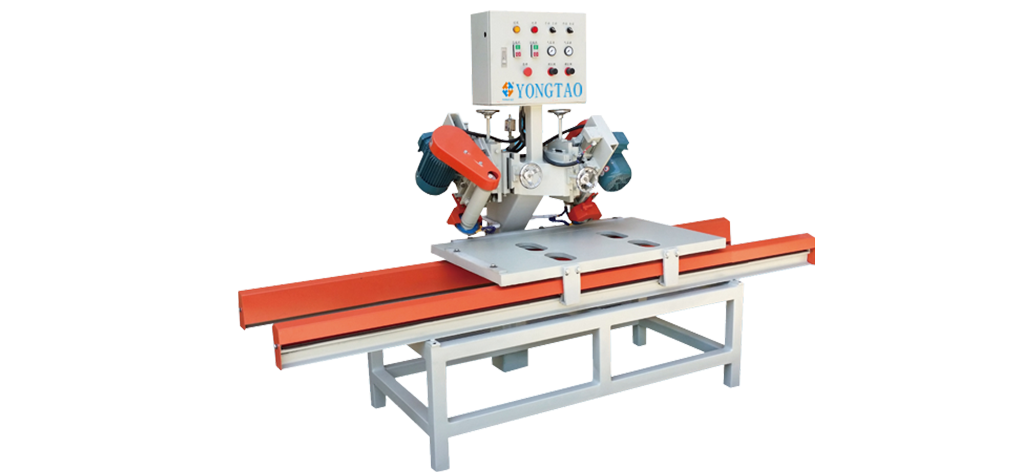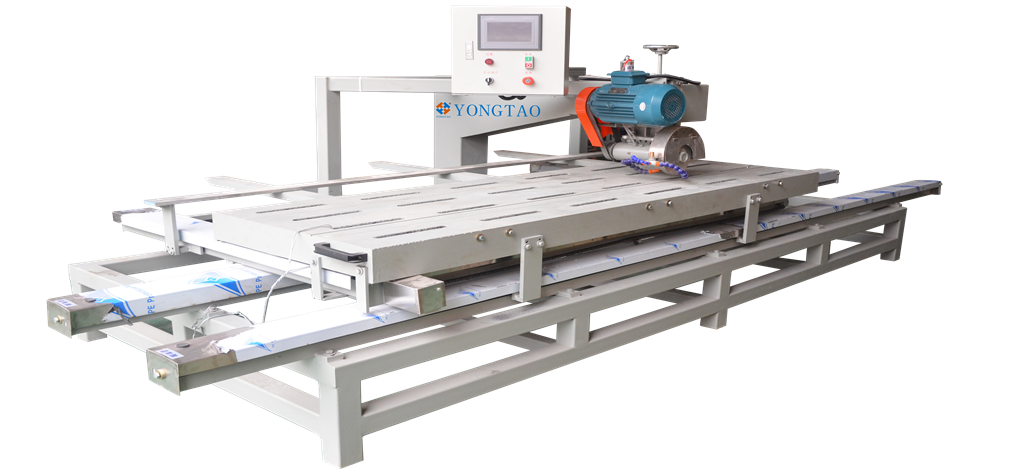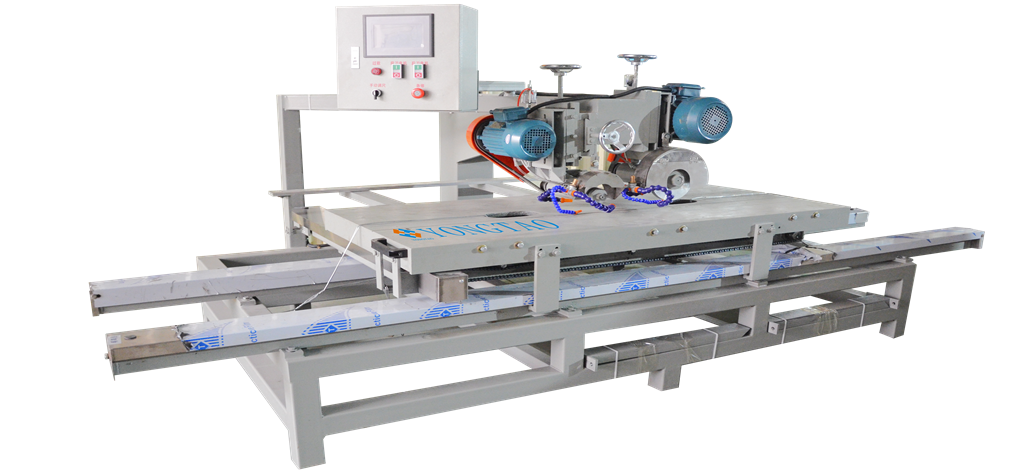
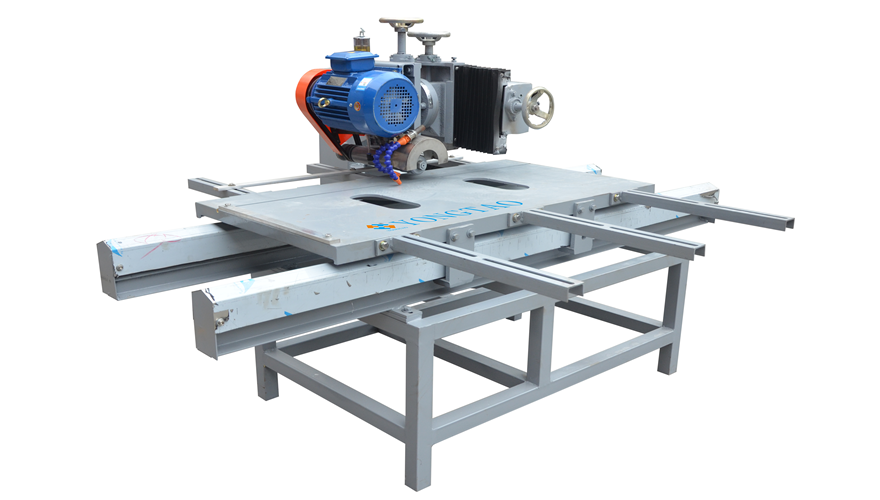
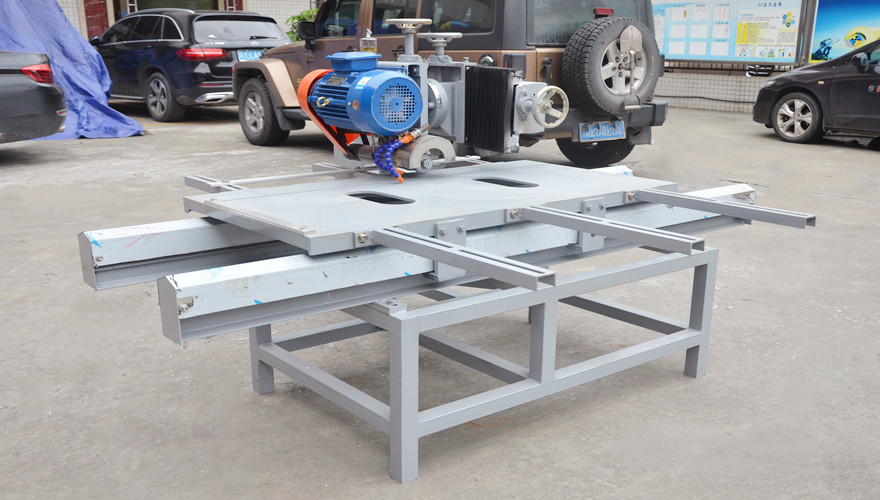
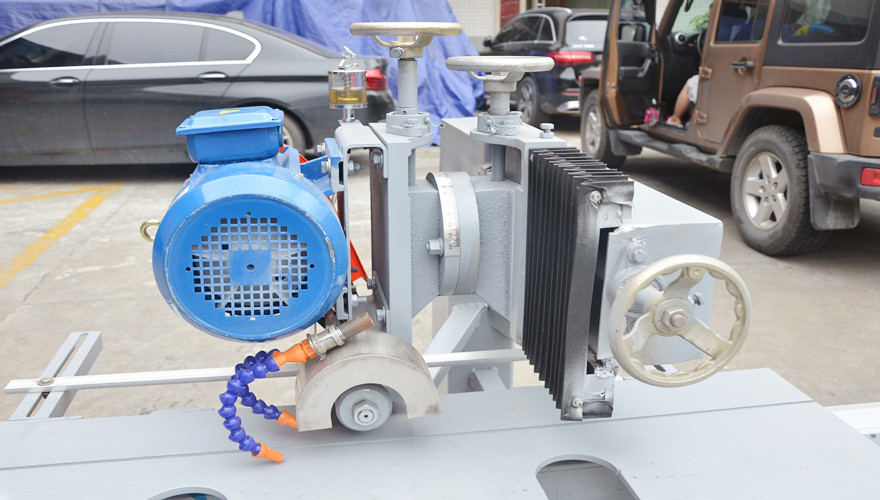
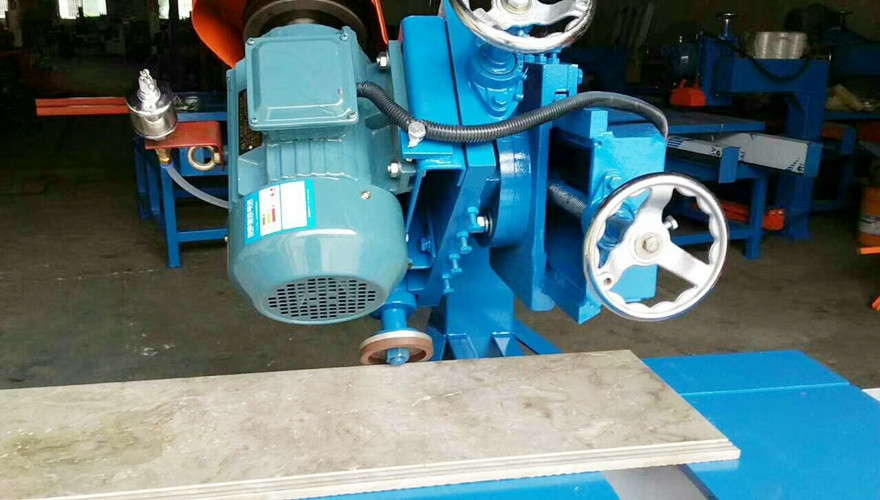
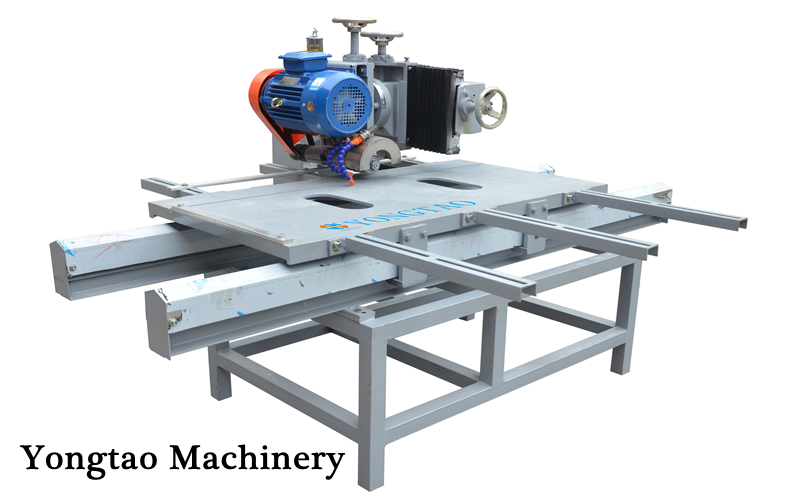
The YTQS-2-1200 Manual Multifunctional Tile Cutting Machine combines several common ceramic tile processing operations in one compact unit. By installing the appropriate blade or grinding wheel, operators can use the machine for straight cutting, grooving, edge grinding, chamfering and bullnose grinding.
This machine processes ceramic tiles up to 1200mm wide and 6–20mm thick. Its conveyor speed is 1.5m/min, and its compact 2.2 × 1.4 × 1.4m structure requires less installation space than a continuous automatic processing line.
The YTQS-2-1200 is designed for tile shops, small workshops, construction contractors and businesses handling customized or low-volume orders. It is particularly useful when several processing methods are required but the production volume does not justify purchasing a separate machine for every operation.
The YTQS-2-1200 is a manual multifunctional tile cutting machine for processing ceramic tiles up to 1200mm wide. One machine can support cutting, grooving, edging, chamfering and bullnose grinding by changing the corresponding processing tool. It has a 3kW main motor, a maximum cutting thickness of 20mm and a conveyor speed of 1.5m/min. This configuration is best suited to small-batch production, customized tile work, tile shops and compact processing workshops.
The YTQS-2-1200 is a multifunctional ceramic tile cutting machine designed for operations that require more flexibility than a cutting-only saw. Instead of dedicating the machine to one fixed process, operators can install different blades and grinding wheels according to the required finished product.
The term “manual” refers to operator-controlled setup, positioning, adjustment and tool replacement. It does not mean that the machine is a score-and-snap hand cutter. The YTQS-2-1200 uses an electric motor, diamond processing tools, conveyor movement and water during operation.
This distinction is important for buyers comparing an industrial manual tile processing machine with portable hand cutters. The YTQS-2-1200 is intended for powered ceramic tile processing rather than manual scoring and breaking.

The main advantage of the YTQS-2-1200 is the ability to complete several workshop operations on one machine. The processing tool must be selected and installed according to the required function.
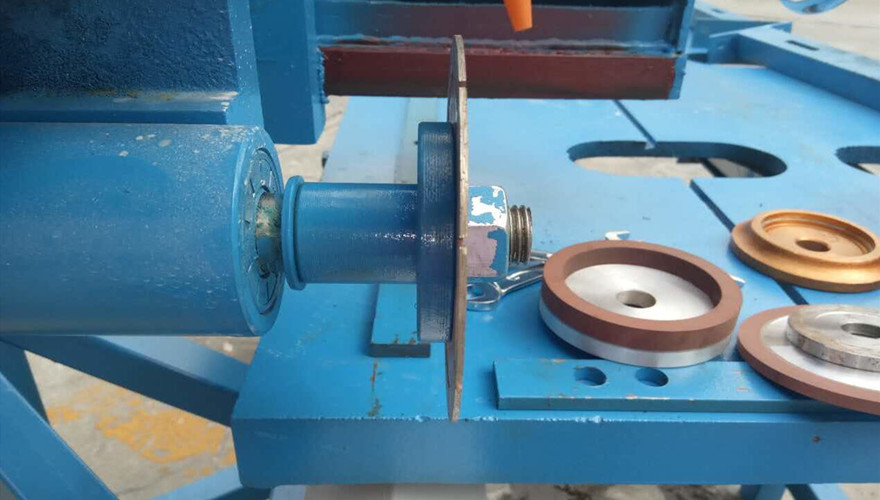
With a suitable diamond blade installed, the machine can cut ceramic tiles into the required width. It supports tiles up to 1200mm wide and is suitable for producing customized pieces, tile strips, skirting components and stair-related products.
The actual cutting result depends on the tile body, glaze hardness, blade specification, blade condition, feeding stability and operator setup. A sample test is recommended before batch processing a new tile material.
A compatible grooving wheel can be installed to form grooves in ceramic tile surfaces or components. This function can be used for selected stair tread, decorative or customized processing tasks.
Groove width, depth and position must be confirmed before processing. The machine should not be presented as a dedicated high-output grooving line; its main advantage is flexible, small-batch multifunctional processing.
The YTQS-2-1200 can be configured as a tile cutting and edge grinding machine for correcting or finishing straight ceramic tile edges. Edge grinding may be performed after cutting when the finished piece requires additional edge preparation.
Tool selection and feed settings should be matched to the tile material and required surface finish. The finished edge must be inspected before repeating the same setup for a complete batch.
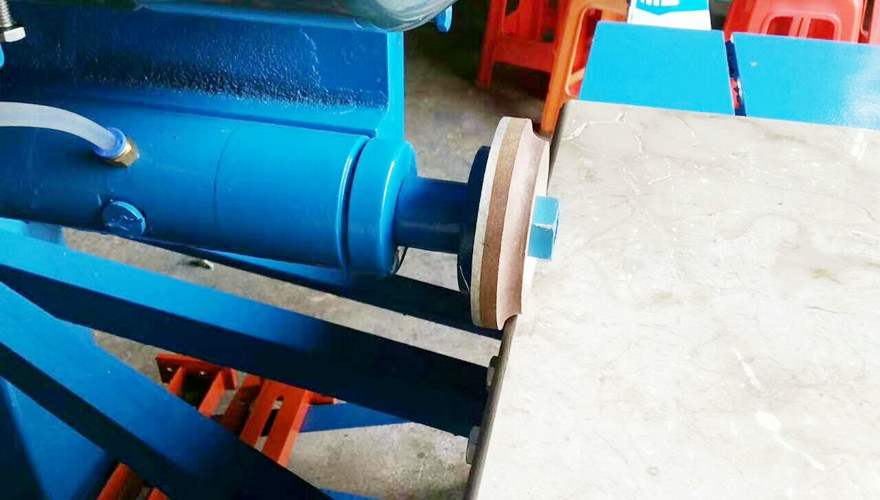
With the correct wheel installed, the machine can perform ceramic tile chamfering. Rough grinding and fine grinding are completed as separate processing stages when the required finish cannot be achieved in one pass.
Using separate rough and fine processing steps helps control the edge shape and improve the consistency of the finished chamfer. The exact result depends on wheel profile, wheel wear, material hardness, adjustment and operator technique.

The machine can also grind an external rounded edge using matching profile wheels. Rough and fine bullnose grinding are performed separately to create and refine the required radius.
This function is suitable for small quantities of tile skirting, stair components and customized edge products. For continuous, high-output bullnose production, a dedicated multi-head automatic line may be more appropriate.

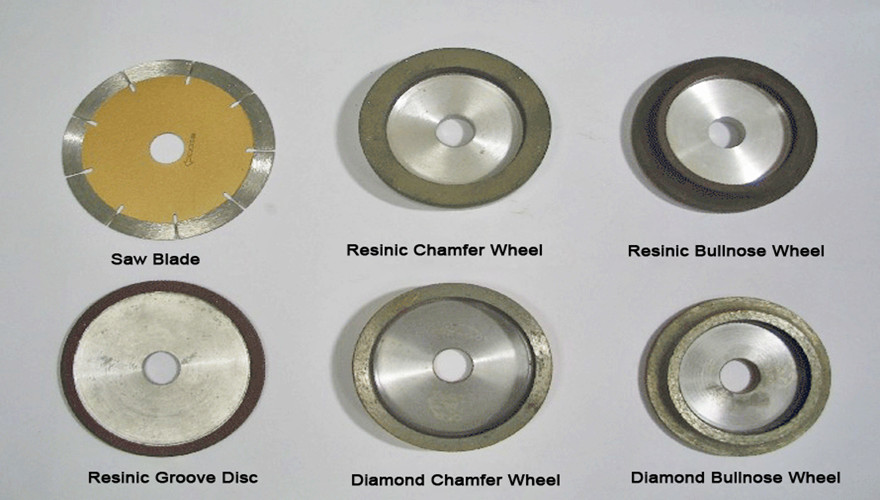
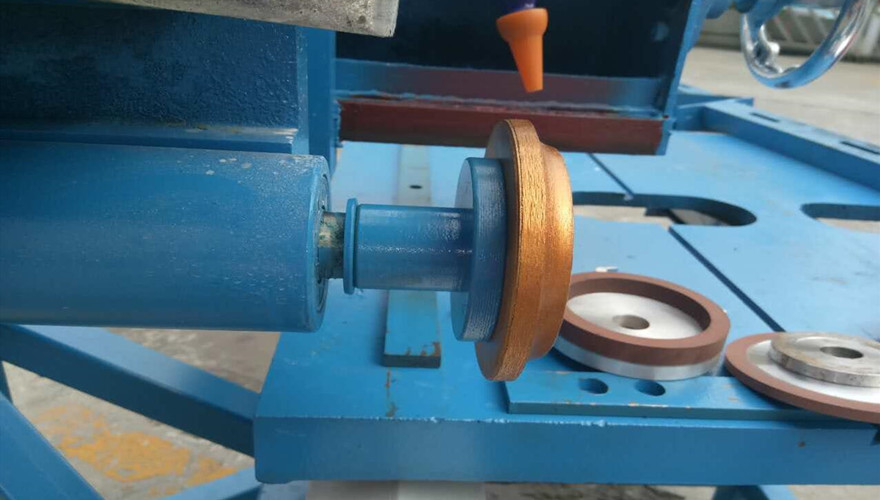
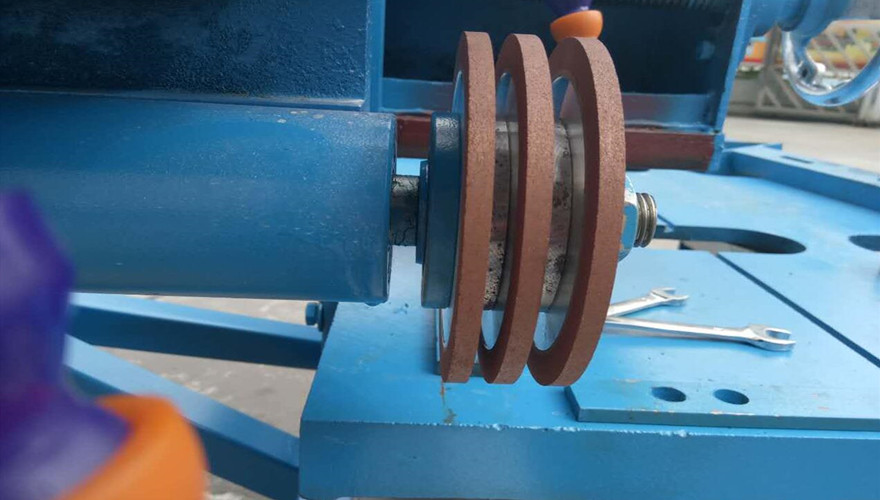
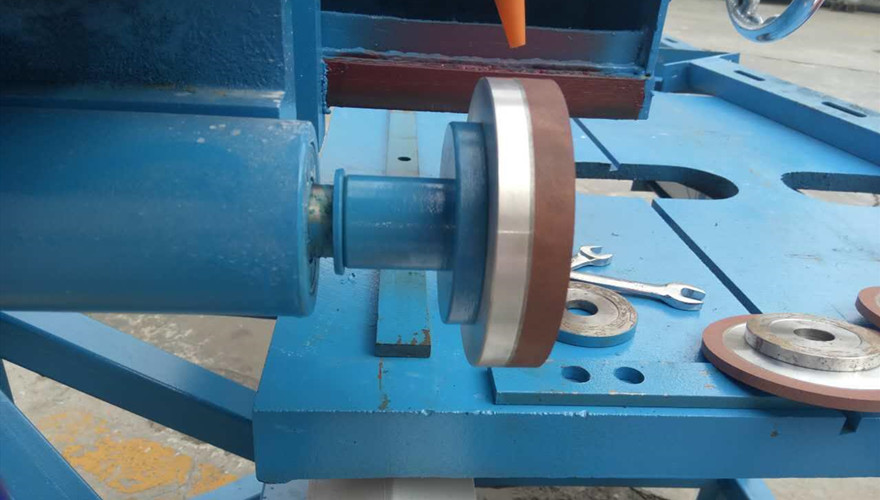
The YTQS-2-1200 uses six types of interchangeable processing tools for cutting, grooving, chamfering and bullnose grinding. The complete standard tool set contains nine physical pieces: one cutting blade, one diamond bullnose wheel, one resin bullnose wheel, one diamond chamfering wheel, one resin chamfering wheel and four resin grooving discs.
The diamond bullnose and chamfering wheels are used for rough shaping, while the corresponding resin wheels are used for finer grinding and finishing. Four resin grooving discs are supplied for groove processing, and the cutting blade is used for straight ceramic tile cutting. The exact tool dimensions and supplied quantities should be confirmed in the final quotation.
Each tool has a specific purpose. Operators should not use one wheel for an operation for which it was not designed. Before changing a tool, stop the machine, isolate the electrical supply and follow the operating instructions.
1 cutting blade
1 diamond bullnose wheel
1 resin bullnose wheel
1 diamond chamfering wheel
1 resin chamfering wheel
4 resin grooving discs
Total: 6 tool types and 9 physical pieces

The quotation should clearly identify:
Included cutting blades and grinding wheels
Tool dimensions and bore size
Intended processing function of each tool
Quantity supplied with the machine
Optional tools charged separately
Recommended replacement tools
Voltage, phase and frequency
Required finished edge profiles
This prevents misunderstanding about what is included with the standard machine and what must be purchased as an option.
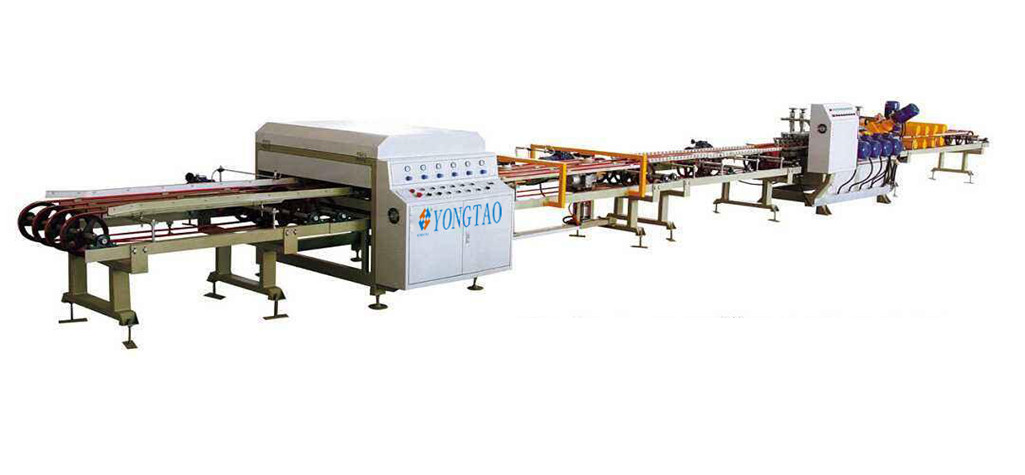
The YTQS-2-1200 is a small-batch tile processing machine rather than a continuous high-output production line. Its compact footprint makes it easier to install in locations where workshop space is limited.
A small workshop may receive different orders during the same week, such as straight-cut pieces, skirting boards, stair components, chamfered edges or rounded edges. Purchasing a separate machine for every process may require more floor space, investment and operator training.
With the YTQS-2-1200, the operator can change the processing tool and adjust the setup according to the current order. This flexibility is the main reason to select the machine.

The YTQS-2-1200 is suitable for tile shops that provide basic processing services in addition to selling ceramic tiles. It allows a shop to complete several common operations without installing a large automatic line.
Suitable users include:
Tile shops with small processing volumes
Small ceramic tile workshops
Contractors processing tiles near a project site
Businesses handling customized tile orders
Workshops producing tile skirting components
Workshops processing tile stair components
Companies that need several functions but not continuous mass production
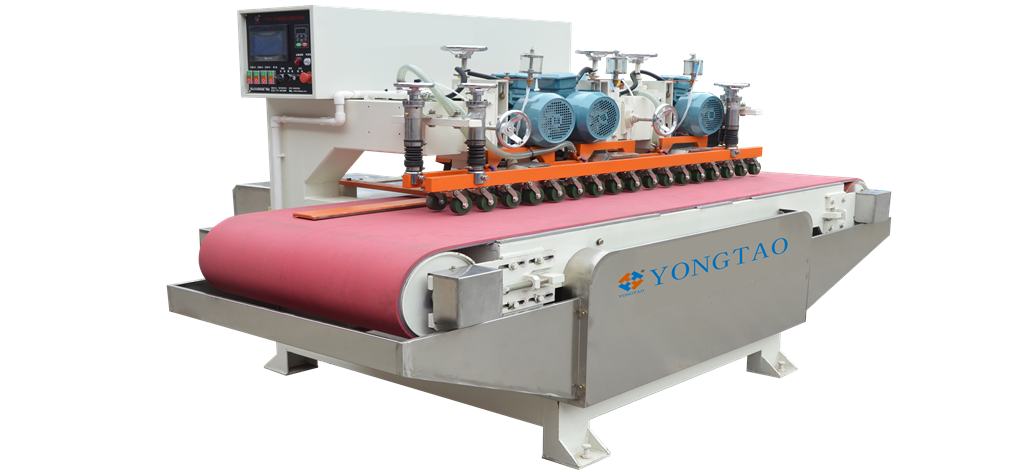
The machine is not intended to replace a high-output multi-blade cutting line, automatic edge-polishing line or dedicated CNC system. Buyers should select it when processing flexibility and compact size are more important than maximum daily output.
The machine can be configured for the following ceramic tile products:
Straight-cut ceramic tile pieces
Customized tile sizes
Tile strips
Tile skirting components
Stair tread components
Grooved tile components
Chamfered tile edges
Straight ground edges
External rounded edges
Small batches of customized finished pieces

Before ordering, buyers should provide the original tile dimensions, thickness, material type, finished product size, required edge shape and expected daily quantity. Photos, drawings and sample products help confirm whether the YTQS-2-1200 is suitable.
Identify whether the order requires cutting, grooving, edging, chamfering or bullnose grinding. Confirm all finished dimensions and edge requirements before selecting the tool.
Install the blade or grinding wheel intended for the required operation. Check its diameter, bore, profile, rotation direction and condition.
Set the processing position according to the tile size and required finished dimensions. Confirm that the tile is properly supported and that the processing path is clear.
Verify that sufficient water reaches the processing area. Water helps cool the tool, control debris and maintain more stable processing conditions.
Process one sample piece before beginning a batch. Measure the finished size and inspect the cut, groove, chamfer or rounded edge.
If the sample does not meet the required dimensions or finish, adjust the setup, tool position or processing method before continuing.
After the sample has been approved, process the remaining pieces using the confirmed setup. Check samples periodically because tool wear can affect the result.
Chamfering and external rounded-edge processing may require two separate stages.
Rough grinding removes more material and forms the basic profile. Fine grinding then refines the surface and improves the consistency of the finished edge. Attempting to complete both stages with one unsuitable wheel may increase tool wear or produce an uneven result.

For stable production, operators should record:
Tool type used for rough grinding
Tool type used for fine grinding
Adjustment position
Tile material and thickness
Required edge profile
Number of pieces processed
Observed wheel wear
Final inspection result
These records make it easier to repeat successful settings when the same order returns.
The YTQS-2-1200 is a practical choice when all or most of the following conditions apply:
Original tiles are no more than 1200mm wide
Material thickness is within 6–20mm
Orders require several different processing methods
Production is customized or completed in small batches
Workshop space is limited
Operators can change and adjust processing tools
Maximum automatic output is not the main requirement
A different machine may be more suitable when:
Continuous high-volume strip production is required
Multiple pieces must be cut during one feeding cycle
Automatic size positioning is required
Frequent CNC-controlled size changes are necessary
Large slabs exceed the YTQS processing range
Continuous multi-head edge polishing is required
Buyers can compare other ceramic tile cutting configurations when production capacity or automation requirements exceed the scope of the YTQS-2-1200.
The machine can be configured for 220V, 380V or 415V power supplies. Voltage alone is not sufficient for final electrical confirmation. Buyers must also provide:
Country of installation
Required voltage
Single-phase or three-phase supply
Electrical frequency
Available workshop power capacity
Local plug, cable and protection requirements
The installation area should provide stable electrical power, water delivery, drainage, sufficient operating space and safe access for tool replacement and maintenance.
Because the machine uses water during processing, electrical components and connections must be protected according to the installation instructions and applicable local safety requirements.
The reference price previously listed for the YTQS-2-1200 was USD 2,200–3,000. This range should be treated as a reference rather than a fixed current quotation.
The final YTQS-2-1200 tile cutting machine price depends on:
Voltage, phase and frequency
Motor and electrical configuration
Included cutting blades
Included grinding and profiling wheels
Quantity of optional tools
Packaging requirements
Destination and shipping terms
Any requested machine customization
A quotation should clearly separate the machine price, included accessories, optional tools, packing and freight. Buyers should provide the required functions and finished product details before requesting the final price.
The main value of this manual multifunctional tile cutting machine is not maximum output. Its value comes from combining several workshop functions in a compact and affordable configuration.
Key advantages include:
Cutting, grooving, edging, chamfering and bullnose grinding
Maximum 1200mm processing width
Suitable for ceramic tiles from 6–20mm thick
Compact machine footprint
Tool changes for different processing tasks
Suitable for customized and low-volume orders
Separate rough and fine edge processing
Multiple voltage configurations
Easier installation than a large continuous line
Practical configuration for tile shops and small workshops
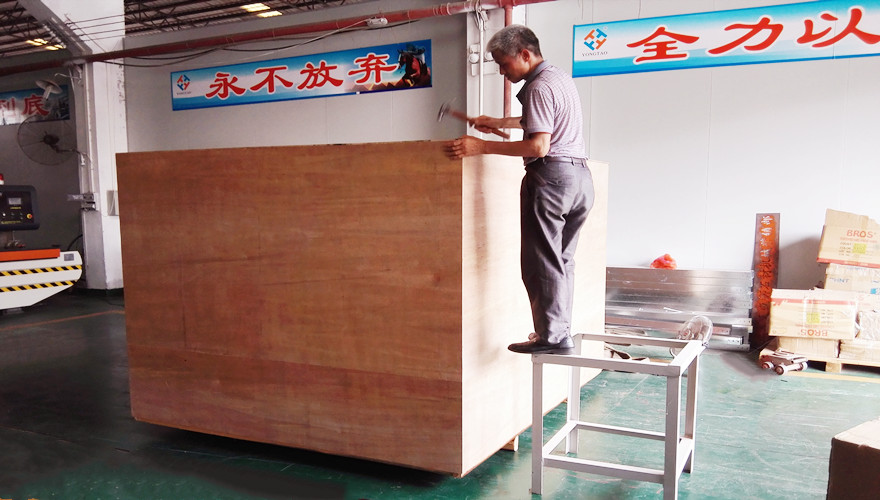
Before shipment, Yongtao checks the selected processing functions, motor operation, conveyor movement, water delivery and installed tool configuration against the confirmed order. When customers provide representative ceramic tile samples, a processing test can also be arranged to evaluate the required cut, groove, chamfer or rounded-edge profile.
Test results apply only to the evaluated material, thickness, tool and machine settings. Buyers should provide drawings, target dimensions and edge requirements before testing so that the sample result can be compared with the actual production requirement.

To confirm the correct machine and tool configuration, please provide:
Original tile length and width
Tile thickness
Tile material
Photos of the tile surface and body
Required finished dimensions
Required cutting, groove or edge profile
Expected daily processing quantity
Destination country
Voltage, phase and frequency
Photos or drawings of the finished product
When possible, provide several representative samples. Material testing is the most reliable way to confirm blade selection, wheel profile and achievable finished quality.
| No. | Name | Parameter |
|---|---|---|
| 1 | Number of processing heads | 1 |
| 2 | Blade diameter and bore | Φ110–130mm × 20mm bore |
| 3 | Main motor power | 3kW |
| 4 | Conveyor speed | 1.5m/min |
| 5 | Maximum cutting width | 1200mm |
| 6 | Maximum cutting thickness | 20mm |
| 7 | Total power | 3kW |
| 8 | Machine dimensions | 2.2 × 1.4 × 1.4m |
| 9 | Approximate weight | 240kg |
| 10 | Water consumption | 100L/min |
| 11 | Recommended material thickness | 6–20mm |
| 12 | Available voltage | 220V, 380V or 415V, subject to confirmation |
The machine can support straight cutting, grooving, edge grinding, chamfering and bullnose grinding by installing the corresponding blade or grinding wheel. The available operations depend on the tools included in the selected configuration.
The maximum cutting width is 1200mm. Buyers should provide the complete original tile dimensions because sufficient support and operating space must also be considered.
The specified processing range is 6–20mm, with a maximum cutting thickness of 20mm. Actual results depend on the tile body, glaze, blade specification, tool condition and setup.
No. The YTQS-2-1200 is an electrically powered multifunctional tile processing machine. “Manual” describes operator-controlled setup, adjustment and tool replacement rather than a hand-operated score-and-snap cutting method.
Yes. It is a multifunctional tile cutting machine for tile shops that handle customized or low-volume processing. It is especially useful when the shop needs several functions but does not require a continuous automatic production line.
The machine can be configured to cut, groove, chamfer or grind selected ceramic tile skirting and stair components. Buyers should provide drawings, dimensions and required edge profiles before the final configuration is confirmed.
Some chamfering and rounded-edge applications use separate rough and fine grinding stages. Rough grinding forms the basic profile, while fine grinding improves the surface and final consistency.
The standard tool set includes six types of processing tools and nine physical pieces: one cutting blade, one diamond bullnose wheel, one resin bullnose wheel, one diamond chamfering wheel, one resin chamfering wheel and four resin grooving discs. Final tool dimensions and quantities should be confirmed in the quotation.
The machine can be configured for 220V, 380V or 415V. The buyer must also confirm the phase, frequency and applicable local electrical requirements.
No. The USD 2,200–3,000 figure is a reference range. The final price depends on electrical configuration, included tools, optional accessories, customization, packing and shipping terms.
It is primarily designed for flexible, small-batch and customized processing. For continuous high-output cutting, a multi-blade, multi-spindle or automatic production machine may be more suitable.
Provide the original tile dimensions, thickness, material, required finished product, processing functions, expected daily quantity, destination and electrical supply. Photos, drawings and samples will improve configuration accuracy.
The specifications on this page describe the standard YTQS-2-1200 configuration. Processing results must be confirmed according to the actual ceramic tile material, thickness, glaze, blade or grinding wheel, tool condition, adjustment and required finished quality.
Final machine configuration, supplied tools, electrical specifications and achievable product results should be confirmed through technical review and, when necessary, sample testing before ordering.
0086-18665475362
[email protected]
Road 3, Wuzhuang Xiaofengtian Ind. Zone, Luocun Town, Nanhai Dist., Foshan, Guangdong, China