EN
Mosaic Polishing Machine

Mosaic Polishing Machine

Automatic Wet Polishing for Stone and Marble Mosaics
Mosaic Polishing Machine

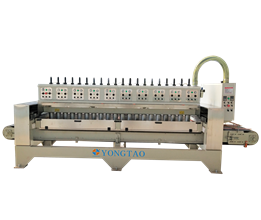
Yongtao manufactures automatic mosaic polishing machines for the flat surface finishing of stone mosaic pieces, marble mosaic sheets and small-format stone panels. Standard working widths include 400mm, 600mm, 800mm and 1200mm, with 12-head and 16-head configurations available for different production requirements.

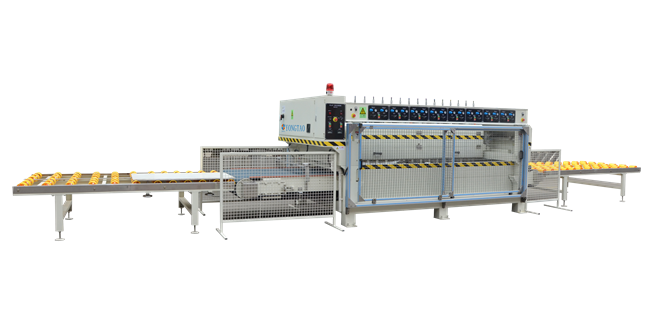
The machine combines continuous conveying, multiple polishing heads and a wet polishing system. Successive polishing stages gradually refine the material surface, helping manufacturers obtain a smooth, even and high-gloss finish while maintaining stable production.

What Is a Mosaic Polishing Machine?

A mosaic polishing machine is continuous surface-finishing equipment designed to grind and polish the exposed face of small stone pieces, assembled mosaic sheets and flat decorative panels.

Unlike a floor polisher or a manual hand-polishing tool, this industrial mosaic polishing equipment processes materials through a controlled multi-head polishing sequence. The workpieces travel through the machine while different abrasive grits progressively remove surface marks and refine the finish.

It is primarily suitable for flat stone mosaic surfaces. Material type, piece dimensions, sheet structure, backing method, initial flatness and required gloss should be confirmed before selecting the final configuration.

Standard Models and Polishing Configurations

Yongtao supplies four standard machine widths to support different material formats and production capacities.

Head count and effective polishing width vary by machine series and project configuration. The following configurations represent the standard options available for this product category.

400mm 12-Head Mosaic Polishing Machine

The 400mm mosaic polishing machine uses 12 polishing heads and is suitable for relatively narrow mosaic sheets, small stone pieces and compact production arrangements.

It is a practical option for manufacturers processing smaller product formats or adding automatic wet polishing to an existing mosaic production line.

600mm 16-Head Mosaic Polishing Machine

The 600mm mosaic polishing machine uses 16 polishing heads. Its wider processing range and longer progressive polishing sequence make it suitable for regular production of stone mosaic pieces, marble mosaic sheets and decorative panels.

This configuration provides a balance between working width, surface-finishing consistency and production capacity.

800mm 16-Head Mosaic Polishing Machine

The 800mm mosaic polishing machine is intended for factories processing wider mosaic sheets or multiple compatible pieces within the available working area.

Its 16-head structure supports multi-stage mosaic polishing and continuous production where uniform surface finishing across a wider format is required.

1200mm 16-Head Mosaic Polishing Machine

The 1200mm mosaic polishing machine provides the largest standard working width in this series. It is designed for wider flat materials, larger assembled sheets and small-format panels that cannot be accommodated by narrower models.

Before selecting this configuration, the material dimensions, feeding arrangement, required finish and expected production volume should be evaluated together.

How to Select the Correct Machine Width

Machine selection should not be based only on the maximum material width. The manufacturer should also consider the usable processing width, product dimensions, sheet stability, daily output and required polishing sequence.

Choose a 400mm model for narrow products, small pieces or limited production space.

Choose a 600mm model for regular mosaic sheet production and medium-width materials.

Choose an 800mm model when wider sheets or higher production flexibility are required.

Choose a 1200mm model for wide flat materials and larger-format production.

For a custom-width mosaic polishing machine, Yongtao can evaluate the sample dimensions, material type and production target before recommending a suitable configuration.

Materials and Products That Can Be Processed

The machine is developed mainly for flat stone mosaic finishing. Typical processing objects include:

Stone mosaic pieces

Marble mosaic pieces

Natural stone mosaic pieces

Mosaic particles

Mosaic sheets

Mesh-backed mosaic sheets

Mesh-mounted mosaic sheets

Decorative stone mosaics

Small stone plates

Small-format stone panels

Flat stone mosaic surfaces

Material suitability must be confirmed through actual samples. Differences in stone hardness, resin content, thickness, backing method and surface flatness can affect the abrasive sequence and final result.

Stone Mosaic Pieces

A stone mosaic polishing machine can process compatible individual pieces or arranged groups of small stone products. The feeding method should keep the pieces stable and correctly positioned throughout the polishing process.

Marble Mosaic Sheets

A marble mosaic polishing machine is suitable for flat marble mosaic surfaces that require progressive grinding and polishing. The sheet construction must remain stable when exposed to water and polishing pressure.

Mesh-Backed Mosaic Sheets

A mosaic sheet polishing machine can process suitable mesh-backed mosaic sheets when the mesh, adhesive and piece arrangement can withstand wet continuous production.

Samples should be tested before mass production because weak backing, uneven piece height or insufficient adhesive strength may allow pieces to move during processing.

Small-Format Stone Panels

Compatible flat stone panels and small stone plates can also be evaluated. The workpiece must fit the usable width and meet the machine’s feeding and surface-contact requirements.

This page is specifically focused on mosaic surface polishing. Cutting, edge profiling and polishing large conventional slabs require different equipment configurations.

Wet Multi-Head Polishing Process

The automatic mosaic polishing machine uses a wet polishing system to cool the working area, carry away polishing residue and support consistent contact between the abrasive tools and material surface.

Water-cooled polishing heads work in sequence while the material passes through the machine. Each stage performs a defined part of the surface-refining process.

Progressive Grit Polishing

Available grit stages include:

100#

200#

500#

1000#

2000#

5000#

10000#

A typical progressive grit polishing sequence begins with coarser abrasives and moves toward finer grits. The exact sequence should be selected according to the original surface condition, material characteristics and required finish.

Not every product automatically requires every listed grit. Using unnecessary stages may increase processing time and abrasive consumption without producing a proportional improvement.

Multi-Stage Surface Refinement

The early stages remove surface irregularities and visible processing marks. Intermediate stages reduce the scratches left by the preceding abrasives. Fine stages refine clarity and help create a uniform-gloss mosaic polishing result.

The final gloss depends on more than the highest grit number. Material density, initial flatness, abrasive condition, water supply, conveyor setting and polishing-head adjustment all influence the finished surface.

Main Features of the Mosaic Polishing Equipment

Continuous Automatic Processing

The continuous conveying structure reduces repeated manual handling and supports stable batch production. It is suitable for integration into a stone mosaic production line or for use as independent mosaic factory polishing equipment.

Multi-Head Polishing System

The 12-head and 16-head configurations divide the polishing process into successive stages. This makes the equipment more suitable for repeatable industrial production than single-stage manual polishing.

Uniform Flat-Surface Finishing

Correct machine configuration and process settings help reduce visible differences between compatible pieces. The objective is to obtain a consistent surface rather than polishing individual areas separately.

Wet Processing

The water-cooled polishing process controls heat at the contact area and removes polishing residue. A suitable water supply, drainage arrangement and routine cleaning system should be prepared at the installation site.

Adjustable Production Configuration

Machine width, polishing-head arrangement and abrasive sequence can be matched to the product. Final specifications should be confirmed from representative samples and actual production requirements.

What Determines the Final Polishing Quality?

A high-gloss finish cannot be determined by the number of polishing heads alone. Reliable results depend on several connected factors.

Initial Surface Flatness

Large differences in piece height can cause uneven contact between the polishing heads and the mosaic surface. Calibration or other preparation may be required when the incoming material is not sufficiently level.

Material Characteristics

Marble and other natural stones vary in hardness, density, veining and porosity. Process settings that work for one material may not produce the same result on another.

Abrasive Sequence

Skipping necessary intermediate grits can leave scratches visible after final polishing. The sequence must remove the marks produced by each previous stage.

Piece and Sheet Stability

Small stone pieces and mesh-backed mosaic sheets must remain secure during wet polishing. Unstable materials should be corrected or tested before continuous production.

Water and Machine Settings

Water flow, conveying speed, polishing contact and abrasive condition must work together. The correct settings should be established through test polishing rather than chosen from a single universal value.

Recommended Sample Testing Before Production

Before confirming a machine or beginning mass production, customers should provide representative information about the intended products.

The evaluation should include:

Material name and type

Minimum and maximum product dimensions

Product thickness

Individual pieces or assembled sheets

Backing and adhesive method

Initial surface condition

Required finish or reference sample

Expected daily production volume

Yongtao can use this information to recommend a suitable working width, polishing-head configuration and preliminary abrasive sequence. When the material is unusual or the sheet structure is uncertain, an actual sample test is recommended.

Test results obtained from one sample should not automatically be applied to every stone variety. Final production settings must be verified with the real batch material.

Applications in Mosaic Manufacturing

This equipment is suitable for manufacturers requiring continuous flat-surface finishing, including:

Stone mosaic factories

Marble mosaic factories

Decorative stone mosaic workshops

Wall mosaic finishing production

Floor mosaic finishing production

Architectural mosaic processing

Small stone panel production

Stone mosaic finishing equipment can be installed after suitable cutting, arranging or sheet-preparation processes. The correct production-line layout depends on whether the factory processes loose pieces, fixed sheets or flat panels.

Custom Mosaic Polishing Solutions

Yongtao supplies standard models and evaluates customized mosaic polishing equipment for special product widths or production requirements.

A custom project should begin with verified material information rather than working width alone. Product stability, required gloss, abrasive sequence, feeding method and available factory space must also be considered.

Custom manufacturing may include a selected working width, polishing-head arrangement and production configuration. The final solution is confirmed according to technical evaluation and sample requirements.

Why Choose Yongtao as Your Manufacturer?

Yongtao is a China mosaic polishing machine manufacturer specializing in stone, mosaic and ceramic processing machinery. The company supplies both standard equipment and customized solutions for industrial production.

Customers can provide material samples, product dimensions and finish requirements before ordering. This allows the recommended machine to be based on the actual application instead of a general catalogue description.

As a mosaic polishing machine manufacturer, Yongtao can support equipment selection, production configuration, installation guidance, operator training and after-sales parts requirements according to the agreed project scope.

For customers looking for a mosaic polishing machine for sale, the recommended model should be determined from the material and production requirement—not price or polishing-head count alone.

Frequently Asked Questions

What is a mosaic polishing machine used for?

A mosaic polishing machine is used to grind, refine and polish the flat exposed surface of stone mosaic pieces, marble mosaic sheets and compatible small-format panels. It is designed for continuous industrial finishing rather than floor restoration or handheld polishing.

Which model should I choose: 400mm, 600mm, 800mm or 1200mm?

Choose the model according to the maximum product width, sheet arrangement, daily output and available factory space. The 400mm model has 12 polishing heads, while the standard 600mm, 800mm and 1200mm models have 16 heads. Final selection should be confirmed using actual product dimensions.

Can the machine polish mesh-backed mosaic sheets?

Yes, suitable mesh-backed mosaic sheets can be processed when the pieces, mesh and adhesive remain stable during wet polishing. Because backing systems differ, representative sheets should be tested before mass production.

Is this machine suitable for marble mosaic pieces?

Yes. The equipment can be configured as a marble mosaic surface polishing machine for compatible flat marble pieces and sheets. The abrasive sequence and settings should be adjusted according to the marble’s hardness, original surface and required gloss.

Does every material use all seven abrasive grits?

No. The available progression ranges from 100# to 10000#, but the actual sequence depends on the incoming surface and required finish. A sample test can determine which stages are necessary and prevent unnecessary abrasive consumption.

What affects the uniformity of the finished surface?

Important factors include initial flatness, material hardness, piece stability, abrasive sequence, water flow, abrasive condition and machine adjustment. A greater number of polishing heads supports a longer polishing sequence but does not replace correct process control.

Can Yongtao provide a custom-width mosaic polishing machine?

Yes. Customized configurations can be evaluated using the material type, product width, thickness, sheet structure, expected output and finish requirement. Final specifications are confirmed after technical review.

Can the machine produce a mirror-like finish?

It can produce a high-gloss or mirror-like finish on suitable materials when the incoming surface, abrasive sequence and machine settings are properly controlled. Because natural stone varies, the achievable finish should be verified using representative samples.

Is wet polishing better for stone mosaics?

Wet mosaic polishing helps cool the contact area and remove polishing residue during continuous processing. It is particularly suitable for multi-stage stone mosaic wet polishing, provided the factory has an appropriate water supply, drainage and cleaning arrangement.

What information is required before requesting a quotation?

Provide the material name, product dimensions, thickness, individual-piece or sheet format, backing method, required finish, expected production capacity and factory voltage. Photos, drawings and representative samples help the manufacturer recommend a more accurate configuration.

Contact Us