

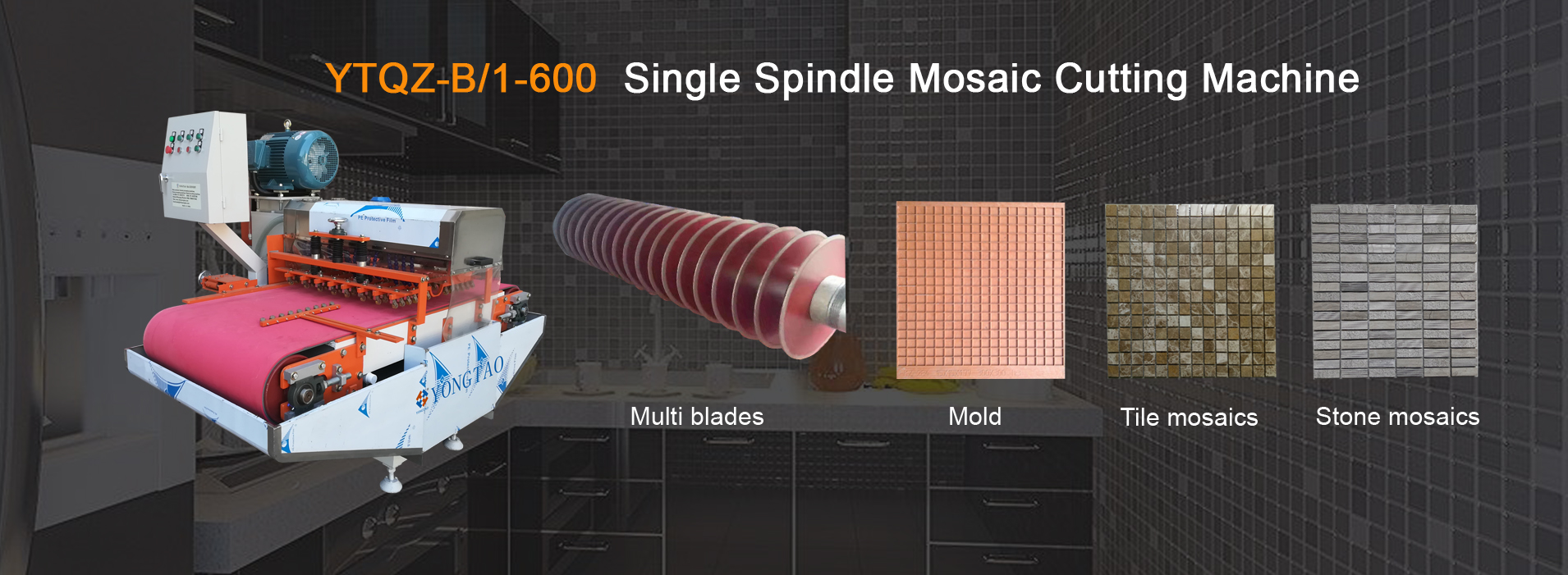
Waterjet cutting provides a flexible cold-cutting solution for metal fabrication without introducing concentrated heat into the cutting area. It is particularly suitable for applications involving complex profiles, heat-sensitive materials, thick metal plates and components that require minimal thermal influence.
A CNC abrasive waterjet cutting system combines ultra-high-pressure water with abrasive material to cut stainless steel, carbon steel, aluminum, copper, brass, titanium and other metals. The cutting path is controlled by CNC software according to the CAD or CAM file, allowing the machine to produce straight cuts, curves, holes, internal contours and customized shapes.
Waterjet systems are widely used for metal plates, machine components, flanges, brackets, decorative panels, equipment parts, prototypes and customized industrial products. The appropriate machine configuration depends on the metal type, material dimensions, plate thickness, required edge quality, cutting accuracy and expected production capacity.
An abrasive waterjet cutting system pressurizes water and directs it through a small cutting orifice at very high speed. Abrasive material is then introduced into the water stream through the cutting head.
The high-speed abrasive stream removes metal along the programmed cutting path through controlled erosion. Unlike laser, plasma and flame cutting, the process does not rely on thermal energy to melt the metal.
The CNC control system coordinates the movement of the cutting head according to the programmed design. Cutting speed can be adjusted for straight sections, corners, small holes and detailed profiles to achieve the required balance between productivity and edge quality.
Actual cutting speed, cutting thickness, taper, accuracy and surface finish depend on several factors, including:
1. Metal type and hardness
2. Material thickness
3. High-pressure system configuration
4. Abrasive type and flow rate
5. Cutting nozzle and mixing tube condition
6. Cutting speed
7. Stand-off distance
8. Programmed cutting quality
9. Machine structure and motion accuracy
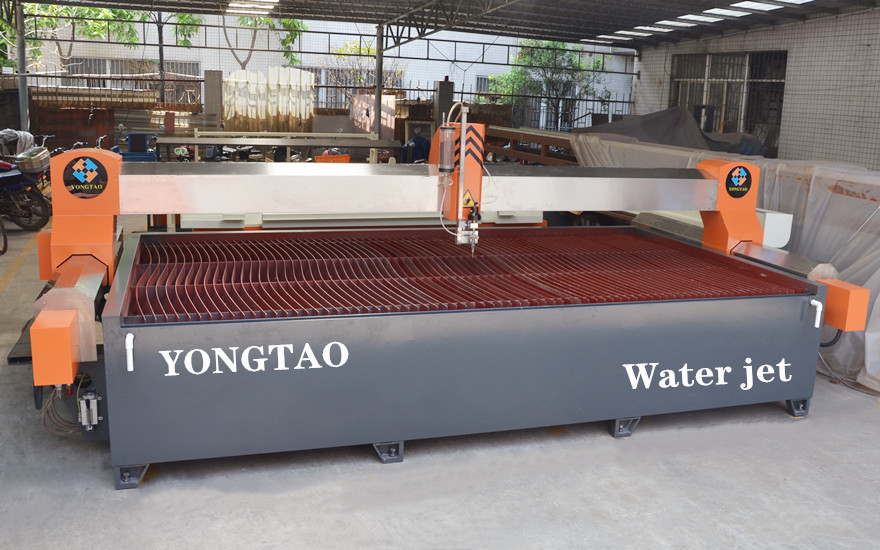
Waterjet cutting is a cold-cutting process and does not create a conventional heat-affected zone around the cutting path.
This helps preserve the original material properties and reduces the risk of thermal deformation, discoloration, hardened edges and heat-related cracking. It is valuable for materials and components that may be affected by high-temperature cutting methods.
The same CNC waterjet platform can process different metals without requiring a separate heat source for each material.
Waterjet cutting can be applied to ferrous metals, non-ferrous metals, reflective materials, metal alloys and certain laminated or composite panels.
The machine parameters, abrasive flow and cutting speed should be adjusted according to the characteristics and thickness of each material.
CNC waterjet systems can follow detailed two-dimensional cutting paths, making them suitable for customized components and complex profiles.
Typical cutting features include:
1. Straight lines
2. Curved profiles
3. Internal contours
4. Circular and irregular holes
5. Slots
6. Flanges
7. Brackets
8. Decorative patterns
9. Prototype components
10. Customized industrial parts
Cutting speed can be reduced automatically around sharp corners and detailed areas to improve dimensional consistency and edge quality.
Waterjet cutting can process metal plates that may be challenging for some conventional cutting methods.
However, maximum cutting thickness should not be evaluated independently. Material type, required cutting speed, edge quality, taper and production efficiency must also be considered.
For thick plates, a slower cutting speed is generally required to achieve a cleaner and more accurate edge.
With suitable cutting parameters, waterjet cutting can produce relatively clean edges and narrow cutting paths.
Depending on the material, thickness and required finished quality, this may reduce subsequent grinding, edge cleaning or machining work.
Secondary processing may still be required for components with strict dimensional tolerances, precision mating surfaces or specified surface-finish requirements.
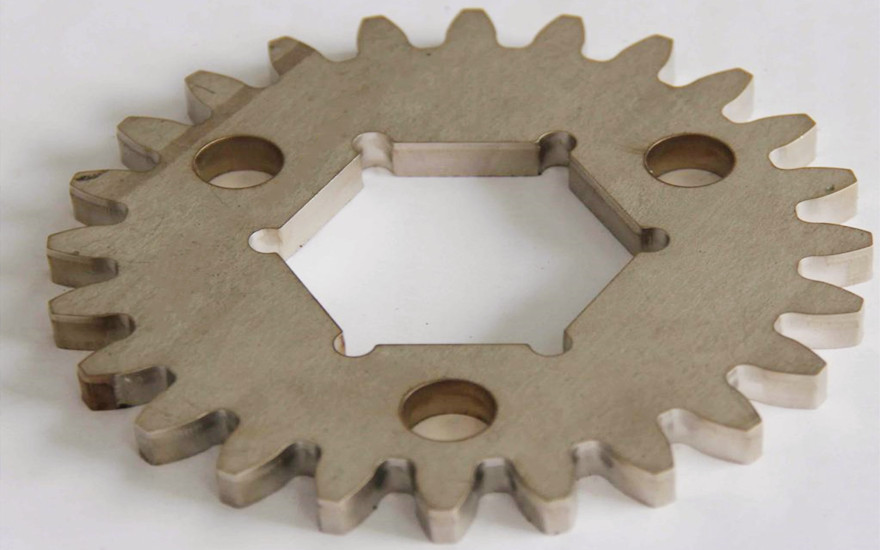
Waterjet cutting can be used for a wide range of metal materials.
Typical materials include:
1. Stainless steel
2. Carbon steel
3. Mild steel
4. Aluminum
5. Copper
6. Brass
7. Titanium
8. Nickel alloys
9. Tool steel
10. Other metal alloys
11. Reflective metals
12. Laminated or composite metal panels
Material properties, thickness and required finished quality should be evaluated before selecting the cutting parameters and machine configuration.
Waterjet cutting is widely used for stainless steel because it can produce customized shapes without causing conventional thermal discoloration or deformation around the cutting path.
Typical stainless steel applications include:
1. Kitchen equipment
2. Sanitary products
3. Tableware components
4. Hardware accessories
5. Decorative panels
6. Display systems
7. Equipment covers
8. Medical-equipment components
9. Flanges and brackets
10. Customized industrial parts
For decorative and visible stainless steel products, avoiding thermal marks can help preserve the original surface appearance and reduce additional finishing work.
The final edge condition depends on the stainless steel grade, thickness, cutting speed, abrasive flow and selected cutting quality.
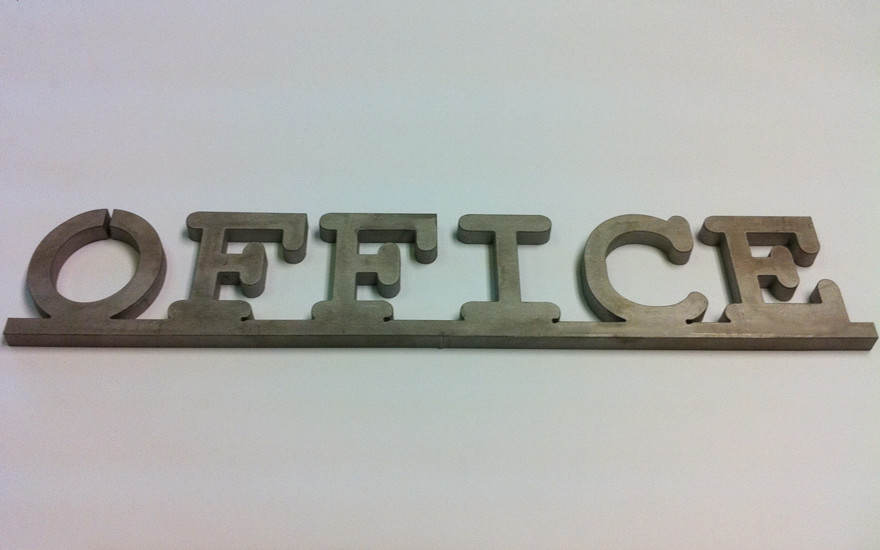
Waterjet cutting is suitable for aluminum, copper, brass and other non-ferrous metals.
Because the process does not depend on light absorption or electrical conductivity, it can process reflective materials without the same reflection-related considerations associated with certain thermal cutting systems.
Common applications include:
1. Aluminum equipment panels
2. Copper electrical components
3. Brass decorative parts
4. Aluminum machine components
5. Signs and lettering
6. Customized hardware
7. Prototype parts
8. Architectural metal products
The correct abrasive, nozzle configuration and cutting parameters should be selected according to the material and required edge quality.
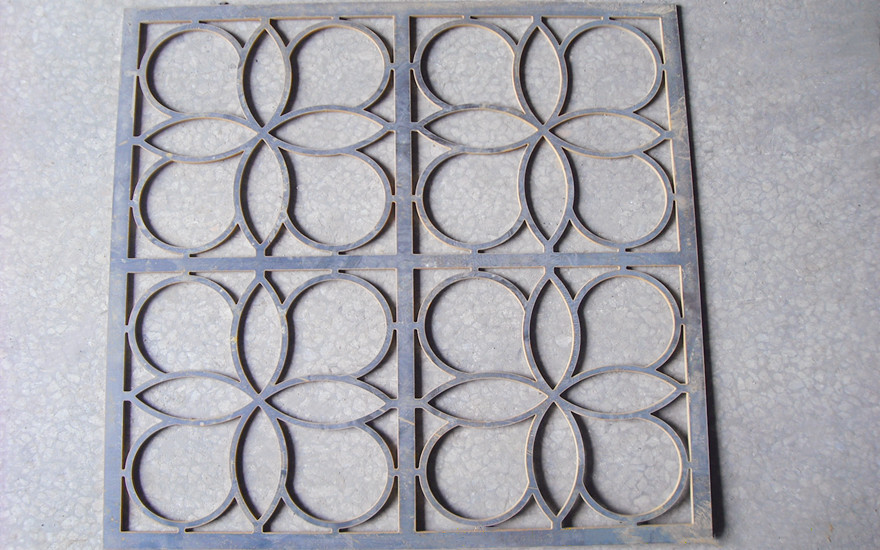
Waterjet metal cutting can support both customized production and industrial component manufacturing.
Typical application areas include:
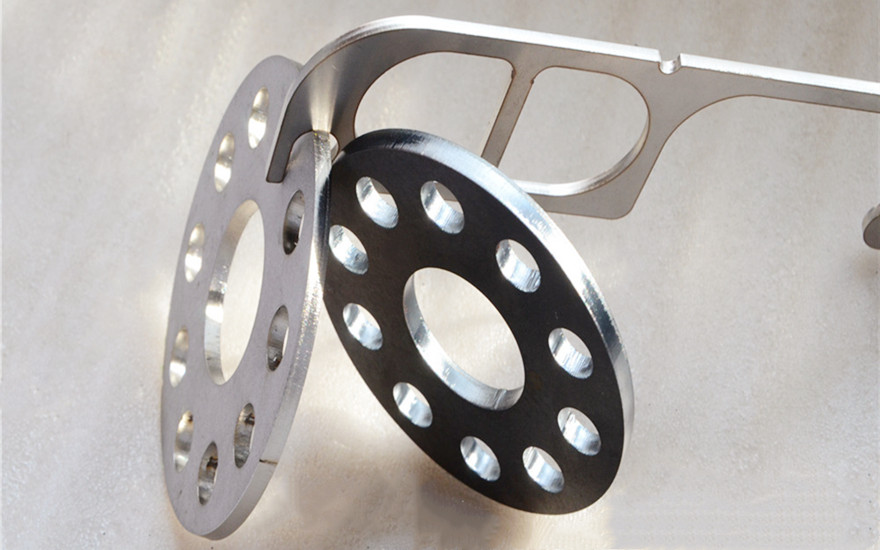
Waterjet systems can cut machine panels, brackets, bases, protective covers, mounting plates, flanges and other equipment components.
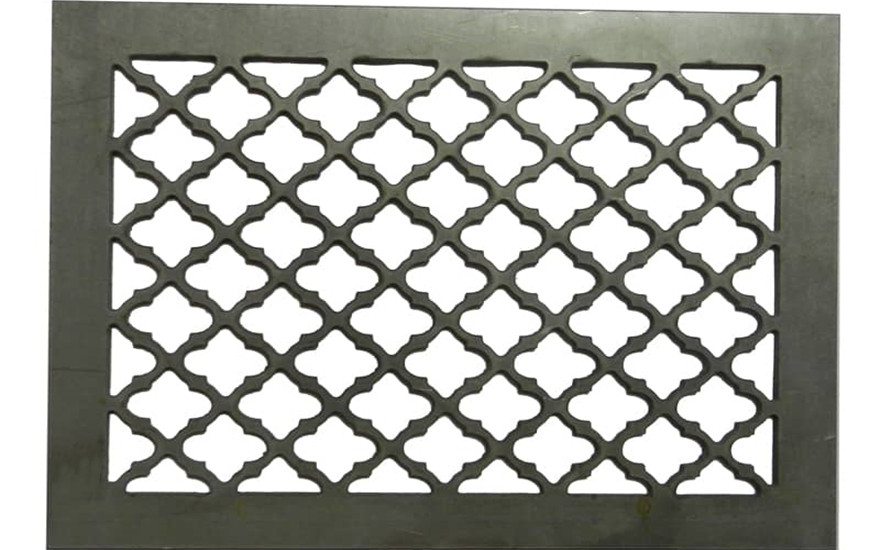
The technology can produce screens, grilles, signs, letters, decorative panels and customized metal patterns for architectural and interior applications.
Stainless steel sheets can be processed into components for kitchen equipment, sinks, cabinets, sanitary products and commercial workspaces.
Waterjet cutting can be used for customized hardware, support plates, connection parts, mounting components and small-batch fabricated products.
Because cutting programs can be changed through CAD or CAM files, waterjet systems are suitable for prototypes, custom parts, small batches and frequently changing product designs.
The CNC control system follows the programmed cutting path and coordinates the movement of the cutting head.
Modern programming software can apply different cutting speeds according to the shape of the part. Straight sections may be processed faster, while corners, small holes and detailed profiles may require slower movement.
Finished-part accuracy is influenced by:
1. Machine positioning and motion performance
2. Material thickness
3. Cutting speed
4. Jet lag
5. Kerf width
6. Cutting taper
7. Nozzle wear
8. Abrasive consistency
9. Material stability
10. Programming and compensation settings
Machine positioning accuracy should not be treated as the same value as finished-part cutting accuracy. Actual part accuracy should be evaluated according to the material, thickness, cutting path and required cutting quality.
Laser cutting is often selected for high-speed processing of thin and medium-thickness metal sheets, especially when high production speed is required.
Waterjet cutting is particularly useful when:
1. Thermal influence must be minimized
2. Reflective or non-ferrous metals are involved
3. Thick plates must be processed
4. Different material types are cut on one platform
5. Complex profiles are required
6. Heat discoloration or hardened edges are undesirable
The appropriate process should be selected according to the material, thickness, required edge quality, cutting speed, production volume and investment plan.
Plasma and flame cutting are widely used in carbon-steel fabrication and heavy industrial applications.
These methods can provide high cutting speeds for suitable materials and thicknesses, but they introduce heat into the cutting area.
Waterjet cutting may be preferred when the project requires:
1. Cold cutting
2. Minimal thermal deformation
3. Cleaner detailed profiles
4. Processing of stainless steel or non-ferrous metals
5. Complex shapes
6. Reduced heat-related edge changes
Plasma, flame and waterjet cutting each have appropriate application ranges. The selection should be based on actual production requirements rather than treating one process as suitable for every project.
Waterjet cutting speed and edge quality are directly related.
A faster cutting speed can improve productivity but may produce more visible striations and taper. A slower cutting speed can improve edge appearance and dimensional consistency but increases processing time and operating cost.
The required cutting quality should be selected according to the final use of the component.
For example:
1. Rough separation cutting prioritizes speed.
2. General production cutting balances speed and edge quality.
3. Finished-profile cutting uses slower parameters for improved edge condition.
4. Precision components may require secondary machining after waterjet cutting.
Selecting an unnecessarily high cutting quality can increase production cost, while selecting a quality level that is too low may increase secondary finishing work.
Waterjet metal cutting performance depends on the complete cutting system rather than one individual component.
Important factors include:
The high-pressure system supplies the water energy required for cutting. Its configuration should match the machine size, material thickness and expected production workload.
The orifice, mixing chamber and focusing tube directly affect jet quality. Worn components can reduce cutting efficiency, increase kerf variation and affect edge consistency.
Abrasive size, cleanliness, consistency and flow rate influence cutting stability. The abrasive delivery system should provide a continuous and controlled supply.
A stable machine frame and coordinated axis movement help maintain cutting-path accuracy during continuous operation.
Correct lead-in, lead-out, corner speed, pierce method and cutting-quality settings are important for achieving consistent results.
The material should be supported securely and remain stable during cutting. Slats, accumulated abrasive and water-tank maintenance can also affect daily operation.
A three-axis waterjet cutting machine is mainly used for vertical cutting of flat metal sheets and plates.
It is suitable for:
1. Straight cutting
2. Curved profiles
3. Holes and slots
4. Flanges
5. Brackets
6. Decorative panels
7. General two-dimensional parts
A five-axis waterjet system adds controlled angular movement to the cutting head.
Depending on the machine configuration and programming system, it may support:
1. Taper compensation
2. Bevel cutting
3. Angled edges
4. Weld-preparation profiles
5. More complex component geometry
The suitable axis configuration depends on the required part design, edge angle, accuracy and investment plan.
A standard production workflow may include:
1. Reviewing the product drawing
2. Confirming the metal type and thickness
3. Preparing or importing the CAD file
4. Generating the cutting path in CAM software
5. Selecting the cutting quality and parameters
6. Positioning and securing the metal plate
7. Checking the nozzle and abrasive supply
8. Completing the piercing and cutting process
9. Removing and inspecting the finished parts
10. Cleaning the machine and water tank as required
For new materials or complex products, a sample cutting test is recommended before full production.
Waterjet cutting offers important advantages, but it is not the best solution for every metal-cutting application.
Important considerations include:
1. Cutting thin sheet metal may be slower than high-power laser cutting.
2. Abrasive material creates an ongoing operating cost.
3. Thick-plate cutting requires lower speeds.
4. Jet lag and taper must be controlled through parameters or head movement.
5. Nozzles and high-pressure components require routine inspection and replacement.
6. Used abrasive and sludge must be removed from the water tank.
7. Precision mechanical parts may still require machining after cutting.
8. Piercing methods should be selected carefully for brittle, laminated or sensitive materials.
Evaluating both the advantages and operating requirements helps determine whether waterjet cutting is suitable for a specific project.
The correct waterjet configuration should be selected according to the customer’s actual materials and production requirements.
Important selection factors include:
1. Metal type
2. Common and maximum material thickness
3. Plate dimensions
4. Required working-table size
5. Part shape and complexity
6. Required edge quality
7. Expected cutting accuracy
8. Daily production capacity
9. Three-axis or five-axis requirements
10. High-pressure system configuration
11. Factory voltage and frequency
12. Installation space
13. Maintenance and operating budget
A larger table is not always the most efficient choice. The machine size should match the common material dimensions while allowing sufficient loading and positioning space.
To recommend a suitable waterjet cutting system, please provide:
1. Metal type
2. Material dimensions
3. Common and maximum thickness
4. Required cutting shapes
5. Product drawings or sample photos
6. Expected cutting accuracy
7. Required edge quality
8. Daily production capacity
9. Factory voltage and frequency
10. Destination country or port
Based on this information, Yongtao Machinery can evaluate the required working-table size, axis configuration, high-pressure system, cutting head and related accessories.
Yongtao Machinery provides CNC waterjet cutting systems for metal fabrication and other industrial material-processing applications.
Available solutions may include three-axis and five-axis configurations, different working-table sizes, high-pressure systems, abrasive supply equipment and customized electrical configurations.
According to the project requirements, Yongtao Machinery can provide machine selection guidance, configuration recommendations, installation support, commissioning assistance, operator training and spare-parts service.
Contact Yongtao Machinery with your metal type, material dimensions, thickness, drawings and production requirements to receive a suitable waterjet cutting solution and detailed quotation.
 0086-18665475362
[email protected]
Road 3, Wuzhuang Xiaofengtian Ind. Zone, Luocun Town, Nanhai Dist., Foshan, Guangdong, China
 0086-18665475362
 [email protected]
 Road 3, Wuzhuang Xiaofengtian Ind. Zone, Luocun Town, Nanhai Dist., Foshan, Guangdong, China
 English
 Español